
Introduction
Cannabis has grown tremendously in popularity, not just for recreational use but also for its medicinal benefits. Two of the most common consumption methods are edibles and smoking. Each has unique advantages and drawbacks, affecting the experience, health, and convenience of users. This blog explores cannabis edibles and smoking in detail, breaking down the pros, cons, and health implications of both to help you make an informed choice.
What Are Cannabis Edibles and How Do They Work?
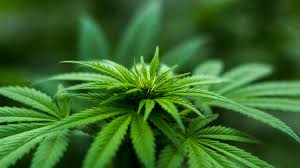
Cannabis producers infuse food products—such as gummies, chocolates, baked goods, and beverages—with cannabinoids, primarily THC and CBD. When you consume these edibles, your liver metabolizes the cannabinoids, converting THC into 11-hydroxy-THC, a compound that produces stronger and longer-lasting effects than smoking.
The effects of edibles typically take longer to kick in—usually between 30 minutes to 2 hours—because they must pass through the digestive system. Once absorbed, the high can last anywhere from 4 to 12 hours, depending on the dosage and individual metabolism. This slower onset and prolonged effect make edibles ideal for those seeking sustained relief or a discreet way to consume cannabis.
What Does Smoking Cannabis Entail?
Smoking cannabis involves inhaling the smoke produced by burning the dried flowers of the cannabis plant. When you light the cannabis and inhale, the heat causes the cannabinoids—such as THC and CBD—to vaporize and enter your lungs. From the lungs, these compounds quickly pass into the bloodstream, allowing for rapid absorption and fast onset of effects. Typically, users begin to feel the effects within minutes, with peak intensity occurring around 20 to 30 minutes after inhalation. The effects then gradually decrease over the next two to three hours, though this can vary based on factors like dose, potency, and individual metabolism.
There are several popular methods for smoking cannabis. Joints are hand-rolled cigarettes made from ground cannabis wrapped in rolling papers. Blunts are similar but use tobacco leaf wrappers, combining tobacco and cannabis, which can alter the effects and experience. Pipes and bongs are devices designed to hold and burn cannabis, with bongs filtering smoke through water to cool it before inhalation. Each method provides a slightly different experience in terms of flavor, harshness, and potency.
Vaporizing, or vaping, is a related but distinct method that heats cannabis to a temperature just below combustion. This process releases cannabinoids and terpenes as vapor instead of smoke, which many users believe reduces the intake of harmful toxins produced by burning plant material. While many consider vaping a healthier alternative to traditional smoking, you must use reputable devices and products to avoid risks associated with poor-quality vape cartridges or additives.
Pros of Cannabis Edibles
One of the most significant advantages of edibles is their discreetness and ease of use. They don’t produce the characteristic smell of cannabis smoke, making them suitable for users in environments where smoking is impractical or frowned upon.
Edibles provide a longer-lasting and often more intense effect compared to smoking, which can benefit patients managing chronic pain, insomnia, or anxiety. Because commercial producers carefully control the dosage—especially with edibles—users can precisely tailor their intake.
Additionally, edibles avoid the respiratory risks associated with inhaling smoke, making them a preferable option for people concerned about lung health.
Cons of Cannabis Edibles
The delayed onset of effects can be tricky, especially for beginners. Some users may consume too much too quickly, leading to uncomfortable experiences like anxiety, paranoia, or excessive sedation.
Dosage can also be inconsistent in homemade edibles or unregulated products, which may result in unpredictable effects. Additionally, because edibles take longer to metabolize, the intoxicating effects last longer, which may interfere with daily activities.
Finally, edibles can be tempting to children or pets if not stored properly due to their candy-like appearance.
Pros of Smoking Cannabis
Smoking offers near-instant effects, allowing users to gauge their dosage and experience almost immediately. This immediacy can be particularly helpful for people needing quick relief, such as those suffering from sudden pain or nausea.
The variety of smoking methods provides flexibility and social opportunities, as smoking is often a communal activity.
Moreover, smoking cannabis provides access to a full spectrum of cannabinoids and terpenes in their natural form, which some users believe enhances the therapeutic effects through the entourage effect.
Cons of Smoking Cannabis
The most notable downside is the potential harm to lung health. Combustion produces tar, carcinogens, and other toxins that can irritate the respiratory system, leading to chronic bronchitis and other pulmonary issues, especially with frequent use.
The smell of smoke can be strong and lingering, which might be problematic in shared or public spaces.
Additionally, dosing can be less precise with smoking, making it harder to control intake, especially for novice users.
Health Impacts: Edibles vs. Smoking
When it comes to health considerations, cannabis edibles generally offer a safer alternative for your respiratory system compared to smoking or vaping. Since edibles are consumed orally and metabolized through the digestive system, they completely bypass the lungs, eliminating exposure to harmful smoke, tar, and other toxins produced by combustion. This makes edibles particularly appealing for individuals concerned about lung health, including those with respiratory issues such as asthma or chronic bronchitis.
However, the way the body processes THC from edibles can lead to different effects compared to smoking. When ingested, THC passes through the liver, where it is metabolized into a more potent compound called 11-hydroxy-THC. This metabolite can produce stronger and longer-lasting psychoactive effects, often lasting 6 to 8 hours or even longer, compared to the 2 to 3 hours typical of smoked cannabis. For some users, especially beginners, this can be overwhelming or cause unpleasant effects such as anxiety or paranoia if they consume too much too quickly. Because of this delayed onset—sometimes taking 30 minutes to 2 hours to feel effects—people sometimes mistakenly consume more than intended, leading to stronger intoxication.
Smoking cannabis delivers cannabinoids rapidly and with predictable onset, but it carries potential health risks tied to inhaling smoke. Combustion generates harmful byproducts such as carbon monoxide, tar, and carcinogens, which can irritate the lungs and airways. While occasional cannabis smoking may not significantly impact lung health, frequent and heavy use over time has been linked to respiratory problems including chronic cough, phlegm production, bronchitis, and reduced lung function. Unlike tobacco, cannabis smoking does not appear strongly linked to lung cancer, but it still poses risks that should be considered.
Vaping cannabis emerged as a popular alternative due to its ability to deliver cannabinoids without combustion. By heating the cannabis to release vapor, vaping reduces exposure to many of the toxic compounds found in smoke. However, concerns remain regarding the safety of vaping devices and liquids. Poorly manufactured vape cartridges, additives like vitamin E acetate, or contaminated products have been linked to lung injuries and illnesses. Therefore, consumers should carefully select high-quality, tested products and reliable devices to minimize potential health risks when vaping.
Overall, choosing between edibles, smoking, or vaping depends on your health priorities, lifestyle, and personal preferences. Edibles provide lung-friendly options with potent, long-lasting effects but require careful dosing. Smoking offers rapid onset but introduces respiratory risks, while vaping may reduce some of those risks but comes with its own safety considerations. Understanding these factors can help you make informed decisions about cannabis consumption methods.
Which Method Should You Choose?
Choosing between cannabis edibles and smoking depends on your lifestyle, health concerns, and desired effects. If you prefer discreet consumption with longer-lasting relief, edibles may suit you better. Conversely, if you want fast onset and more control over dosing, smoking could be preferable.
Always consider your health status and consult healthcare professionals, especially if you have respiratory issues or are taking medications.
Also Read: Cannabis and Creativity: What Science Says About the Connection
Final Thoughts
Both cannabis edibles and smoking have their unique benefits and drawbacks. Understanding how each method works and its health implications helps you make informed decisions tailored to your needs. Whether you prioritize fast relief, discretion, or lung health, there’s a cannabis consumption method that fits your lifestyle.