
Introduction
Cannabis interacts with the human body in complex and fascinating ways. Its effects can vary widely depending on the strain, chemical profile, dosage, and individual biology. To understand how cannabis influences both body and mind, it helps to look at the science behind how it works.
The Endocannabinoid System: Your Body’s Built-In Network
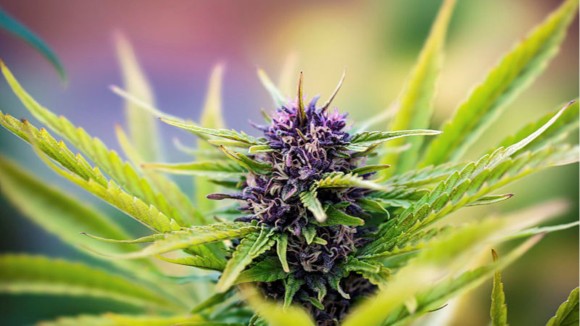
Cannabis affects the body primarily through the endocannabinoid system (ECS) — a regulatory network found throughout the brain and body.
The ECS helps maintain balance (homeostasis) by influencing:
- Mood
- Sleep
- Appetite
- Memory
- Pain response
- Immune function
It works through two main receptors:
- CB1 receptors – Mostly found in the brain and central nervous system
- CB2 receptors – Primarily found in the immune system and peripheral tissues
Cannabinoids in cannabis interact with these receptors, producing various physical and psychological effects.
THC: The Psychoactive Compound
The primary psychoactive compound in cannabis is THC (tetrahydrocannabinol). THC binds mainly to CB1 receptors in the brain.
Mental Effects May Include:
- Euphoria
- Altered perception of time
- Increased creativity
- Relaxation
- Heightened sensory awareness
In higher amounts, some individuals may experience:
- Anxiety
- Paranoia
- Impaired short-term memory
The intensity of effects depends on dosage, tolerance, and individual sensitivity.
CBD: A Non-Intoxicating Influence
CBD (cannabidiol) interacts differently with the ECS and does not produce intoxicating effects.
Potential influences of CBD may include:
- Promoting calmness
- Supporting stress regulation
- Supporting overall balance
CBD is often used in products formulated for those who prefer minimal psychoactive impact.
Physical Effects of Cannabis
Cannabis can affect the body in several ways:
1. Relaxation
Many strains are associated with muscle relaxation and physical ease.
2. Appetite Stimulation
THC may increase appetite by influencing hunger-related signals in the brain.
3. Sleep Patterns
Certain strains, especially indica-dominant varieties, are often associated with promoting sleepiness.
4. Sensory Changes
Some users report enhanced appreciation of music, taste, and visual experiences.
Short-Term vs. Long-Term Effects
Short-Term Effects
- Changes in mood
- Altered coordination
- Dry mouth
- Increased heart rate
These typically fade as cannabinoids metabolize.
Long-Term Considerations
Frequent use can influence tolerance levels. Individual responses vary widely based on genetics, frequency of use, and overall health.
Responsible consumption and understanding personal limits are important.
Factors That Influence the Experience
Cannabis does not affect everyone the same way. Key variables include:
- Cannabinoid content (THC vs. CBD levels)
- Terpene profile
- Dosage
- Method of consumption
- Individual body chemistry
- Environment and mindset
The same strain may feel different depending on context and expectations.
The Role of Terpenes
Terpenes are aromatic compounds found in cannabis that may influence overall effects.
Examples include:
- Myrcene – Often associated with relaxing qualities
- Limonene – Frequently linked to uplifting sensations
- Caryophyllene – Known for its spicy aroma
Together, cannabinoids and terpenes create what’s often called the “entourage effect,” where compounds work synergistically.
Responsible Awareness
Understanding how cannabis interacts with the body helps individuals make informed decisions. Effects can be enjoyable for many, but moderation and awareness are key.
Those new to cannabis typically benefit from starting with lower doses and observing how their body responds.
Also Read: Are Cannabis Drinks Better Than Edibles?
Final Thoughts
Cannabis affects the body and mind through its interaction with the endocannabinoid system, influencing mood, perception, appetite, and relaxation. Its impact depends on chemical composition, dosage, and personal biology.
As research continues to evolve, our understanding of cannabis and its relationship with the human body will only deepen — offering clearer insights into how this plant interacts with us on both physical and psychological levels.