
Cannabis has evolved beyond being a simple plant used for recreational and medicinal purposes. Crossbreeding has become a critical practice in developing new cannabis strains. Whether you’re an enthusiast or a cultivator, understanding crossbreeding helps you appreciate the variety of strains available today.
Crossbreeding cannabis strains involves combining two or more parent plants with different genetic traits. The goal is to create a hybrid strain with desirable characteristics such as potency, flavor, and medicinal effects. This process offers a deeper level of control for growers, allowing them to develop strains that meet specific needs.
What is Cannabis Crossbreeding?
Cannabis crossbreeding, or hybridization, is the act of intentionally mating two cannabis plants with different traits. Growers select parent plants based on factors like THC or CBD content, flavor, growth habits, and disease resistance. The offspring will then inherit a mix of these traits, creating a hybrid strain with unique effects and characteristics.
Crossbreeding allows breeders to create strains tailored to different uses. Some may be designed for recreational purposes, while others address medical needs or adapt to specific environmental conditions. Through this, cultivators can meet the growing demand for a wider variety of cannabis products.
The Science Behind Cannabis Crossbreeding
Crossbreeding relies heavily on genetics. Like all plants, cannabis passes on traits to the next generation. By selecting plants with desirable qualities, breeders can influence the genetics of the offspring. This results in hybrid strains that exhibit a combination of these traits, including unique effects and flavors.
Cannabinoids and terpenes play a huge role in cannabis crossbreeding. Cannabinoids like THC and CBD affect the body differently, and terpenes determine the plant’s aroma and flavor. A deep understanding of these components helps breeders create more effective and specialized strains.
Why is Cannabis Crossbreeding Important?
Crossbreeding is crucial for the future of cannabis cultivation. With growing global demand, the ability to develop new strains is more important than ever. Hybridization serves several key purposes in the industry.
1. Specific Effects for Medical and Recreational Use
Cannabis is used for both medical and recreational purposes. Many patients seek strains for specific health benefits, such as pain relief or anxiety management. By crossbreeding strains with the right cannabinoid profile, breeders can create plants that meet these needs.
For example, strains with higher CBD content are ideal for treating chronic pain, while those with higher THC levels are better suited for recreational use. Crossbreeding allows for more tailored options for both users and patients.
2. Better Yields and Improved Growth Characteristics
Growing cannabis plants comes with challenges like pests, diseases, and climate conditions. Crossbreeding can produce strains that are more resistant to pests or better suited to specific climates. This makes it easier for cultivators to grow plants with higher yields and better overall health.
Additionally, breeders can create strains with a more predictable growth pattern, which helps growers achieve consistent results. This is especially important for large-scale cultivation.
3. Enhanced Flavor and Aroma Profiles
Terpenes, the aromatic compounds in cannabis, are responsible for the plant’s unique smell and taste. Some terpenes produce fruity aromas, while others offer more earthy or citrus-like scents. By crossing different strains, breeders can create hybrids with distinct terpene profiles.
This is important as consumers continue to seek cannabis products that appeal to their tastes. Crossbreeding offers a wide variety of flavor and aroma profiles, allowing people to find a strain they truly enjoy.
Popular Cannabis Crossbreeds and Their Effects
The art of cannabis crossbreeding has resulted in several popular hybrid strains. These strains have become favorites for both medical and recreational users due to their specific effects.
1. OG Kush
OG Kush is one of the most iconic cannabis strains. It is a cross between the Chemdawg and Hindu Kush strains. Known for its earthy, pine aroma, OG Kush is popular for its relaxing and stress-relieving effects. It’s a versatile strain that offers both medical and recreational benefits.
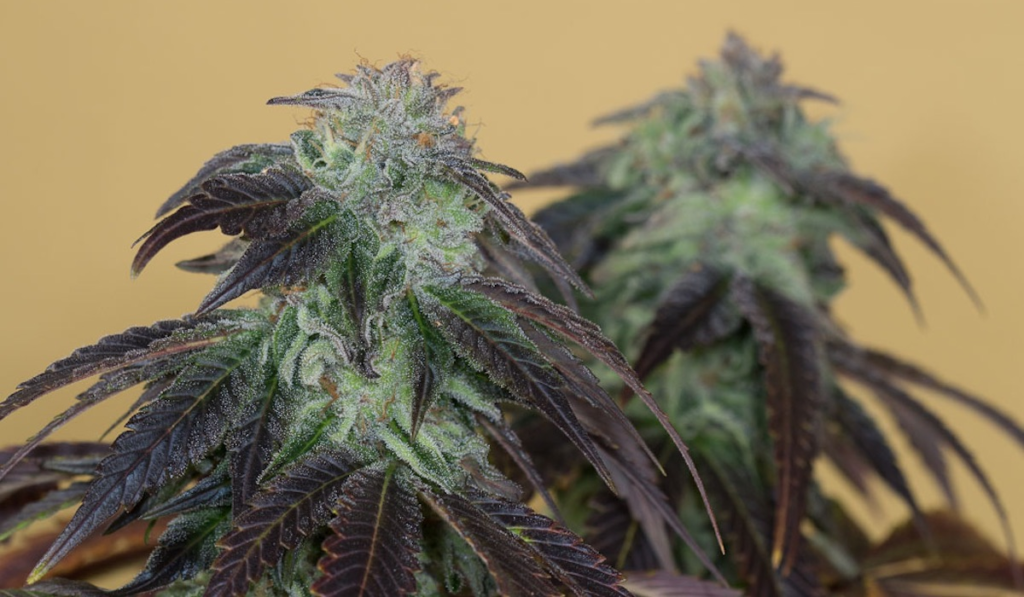
2. Girl Scout Cookies (GSC)
Girl Scout Cookies is a hybrid strain that combines Durban Poison and OG Kush. With its sweet, earthy flavor and potent effects, GSC is a favorite among recreational users. It’s known for its ability to elevate mood while offering relaxation. This strain also has therapeutic uses for anxiety and depression.
3. Blue Dream
Blue Dream is a cross between Blueberry and Haze. Known for its balanced effects, Blue Dream is one of the most widely used cannabis strains. It offers pain relief while maintaining mental clarity. This hybrid is perfect for daytime use and helps with various medical issues, including insomnia and anxiety.
The Future of Cannabis Strain Development
The future of cannabis strain development is bright. Advancements in science and technology are paving the way for new innovations in hybridization. The next generation of cannabis strains may be more specialized and potent than ever before.
1. Genetic Engineering and CRISPR Technology
New technologies like CRISPR gene editing may play a major role in cannabis strain development. CRISPR allows breeders to modify specific genes with greater precision. This could result in cannabis strains with enhanced cannabinoids or improved resistance to pests.
As the cannabis industry embraces these technologies, we may see strains tailored to very specific needs, such as strains designed to target specific medical conditions or strains that thrive in harsh environments.
2. Automated Breeding and AI-Powered Genetics
Artificial intelligence and data-driven breeding techniques could also revolutionize cannabis crossbreeding. By analyzing large amounts of genetic data, AI could predict which plant combinations are most likely to succeed. This approach would speed up the breeding process, making it easier to develop new strains faster.
AI may also help breeders create more consistent and stable strains. With the ability to analyze patterns and outcomes, AI could refine the process of cannabis crossbreeding, ensuring that each hybrid is more predictable and reliable.
Conclusion
Cannabis crossbreeding is at the heart of the cannabis industry’s growth and innovation. By combining different genetic traits, breeders are able to create strains that offer specific effects, better yields, and unique flavor profiles. With continued advancements in science and technology, the future of cannabis strain development looks exciting.
As the demand for diverse cannabis products continues to rise, the ability to create hybrid strains that meet specific needs will be more important than ever. Whether for medical or recreational use, cannabis crossbreeding offers a world of possibilities for the future of this rapidly evolving industry.