
The perception of cannabis has shifted dramatically over the past decade. Once viewed solely as a recreational substance, it is now being recognized for its potential in medical and therapeutic applications — particularly in mental health. From anxiety and depression to PTSD and chronic stress, cannabis is emerging as a natural alternative to traditional pharmaceuticals. This blog explores how cannabis is reshaping the future of mental health care and what scientific research says about its potential benefits.
The Changing Perspective on Cannabis and Mental Health
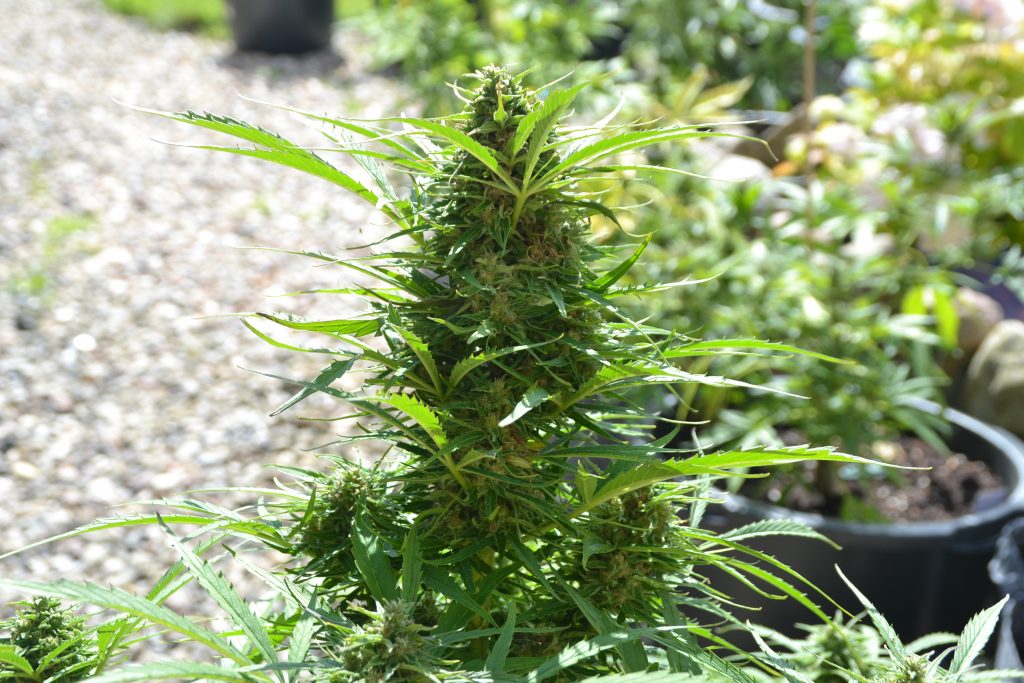
Not long ago, cannabis was often stigmatized as a substance that could harm mental well-being. Today, however, with growing legalization and scientific studies, the narrative is evolving. Researchers are discovering how compounds in cannabis — particularly cannabinoids like THC and CBD — interact with the body’s endocannabinoid system (ECS), which plays a key role in mood regulation, stress response, and emotional balance.
As public awareness grows, more people are exploring cannabis-based treatments as a complement to or replacement for traditional antidepressants and anti-anxiety medications.
Understanding the Science Behind Cannabis and the Brain
To understand how cannabis can influence mental health, it’s important to know how it interacts with the brain. The endocannabinoid system consists of receptors (CB1 and CB2) that regulate essential processes such as mood, memory, and stress.
- THC (Tetrahydrocannabinol): The psychoactive component that can enhance mood and relaxation when used in controlled doses.
- CBD (Cannabidiol): The non-psychoactive compound known for reducing anxiety, improving sleep, and supporting overall mental wellness.
These cannabinoids mimic natural endocannabinoids produced by the body, helping restore balance in the nervous system — a process that can be particularly beneficial for individuals dealing with anxiety, depression, or post-traumatic stress.
Cannabis and Anxiety Relief
Anxiety disorders are among the most common mental health issues worldwide. Early research indicates that CBD may help reduce symptoms of generalized anxiety disorder, social anxiety, and panic attacks by influencing serotonin levels in the brain — the same neurotransmitter targeted by many antidepressant drugs.
Many users report feeling calmer and more focused with CBD-dominant strains or oils, as they promote relaxation without the intoxicating effects associated with high-THC cannabis. The key is balance — finding the right cannabinoid ratio and dosage for each individual’s needs.
Cannabis and Depression: A Natural Mood Enhancer
Depression is often linked to low serotonin and dopamine levels, which affect motivation and pleasure. Some studies suggest that low to moderate doses of THC and CBD can boost dopamine release, improving mood and energy.
However, dosage and strain selection are crucial. While low doses can have uplifting effects, higher THC levels may cause paranoia or increased anxiety in sensitive individuals. Therefore, medical guidance is always recommended when using cannabis as a treatment for depression.
Post-Traumatic Stress Disorder (PTSD) and Cannabis Therapy
One of the most promising areas of cannabis research involves PTSD treatment. Veterans, trauma survivors, and those experiencing chronic stress are increasingly turning to cannabis for relief.
Cannabis appears to help by reducing hyperarousal and intrusive thoughts, two common PTSD symptoms. It also aids sleep and reduces nightmares — issues that many PTSD patients struggle with. According to studies published in Frontiers in Psychology, certain cannabis strains can help patients process trauma more calmly and reduce flashback frequency.
The Role of CBD in Sleep and Stress Management
Sleep disorders and chronic stress often go hand-in-hand with mental health issues. CBD has been shown to help regulate sleep cycles and promote deeper rest by reducing cortisol — the stress hormone.
Better sleep not only improves emotional resilience but also enhances focus, energy, and mood. For this reason, CBD-infused tinctures, edibles, and gummies are gaining popularity among people seeking natural solutions for stress relief.
Cannabis as an Alternative to Traditional Antidepressants
Traditional antidepressants can take weeks to show results and may come with side effects like weight gain, fatigue, or reduced libido. Cannabis, particularly CBD-based treatments, is appealing to many as a faster-acting, plant-based alternative with fewer side effects.
However, cannabis should not be seen as a replacement for prescribed medication without professional guidance. Its role is best understood as part of a complementary therapy, supporting overall mental wellness alongside lifestyle changes, counseling, and mindfulness practices.
Challenges and Limitations in Using Cannabis for Mental Health
Despite its growing acceptance, cannabis use for mental health treatment faces several challenges:
- Lack of standardized dosage guidelines: Since individual tolerance and strain potency vary, finding the right dose requires experimentation.
- Potential dependency: Although cannabis is less addictive than many pharmaceuticals, misuse or overuse can lead to psychological dependence.
- Regulatory barriers: Clinical research remains limited in many countries due to legal restrictions, slowing scientific progress.
Addressing these challenges through education, regulation, and medical research is key to unlocking cannabis’s full potential in mental healthcare.
Future of Cannabis in Mental Health Treatment
The future looks bright for cannabis-based mental health therapies. As research expands, we may soon see customized cannabis treatments based on a person’s genetic and biochemical profile. Technologies like AI-assisted dosing apps and strain-specific therapy programs could make cannabis a personalized mental wellness tool.
Furthermore, growing awareness of sustainable cannabis farming and organic production ensures that this therapeutic plant will continue to evolve responsibly within modern medicine.
Read Also : The Beginner’s Guide to Cannabis Seed Germination
Final Thoughts
Cannabis is no longer just a recreational product — it’s emerging as a revolutionary ally in mental health care. By balancing mood, reducing anxiety, and enhancing emotional well-being, cannabis holds promise for millions seeking natural, effective alternatives to traditional therapy.
As scientific understanding deepens, the conversation around cannabis and mental health will continue to shift — from stigma to science, and from skepticism to hope. The future of mental health treatment may well be green.