
Introduction
When it comes to cannabis cultivation, one of the most crucial stages that can significantly impact the quality of your final product is the harvesting and curing process. Proper harvesting ensures that your cannabis plants are collected at their peak potency, while curing enhances the flavor, aroma, and overall experience of the cannabis. In this guide, we’ll explore the best practices for harvesting and curing cannabis, providing you with the knowledge to produce top-shelf cannabis.
Understanding the Harvesting Process
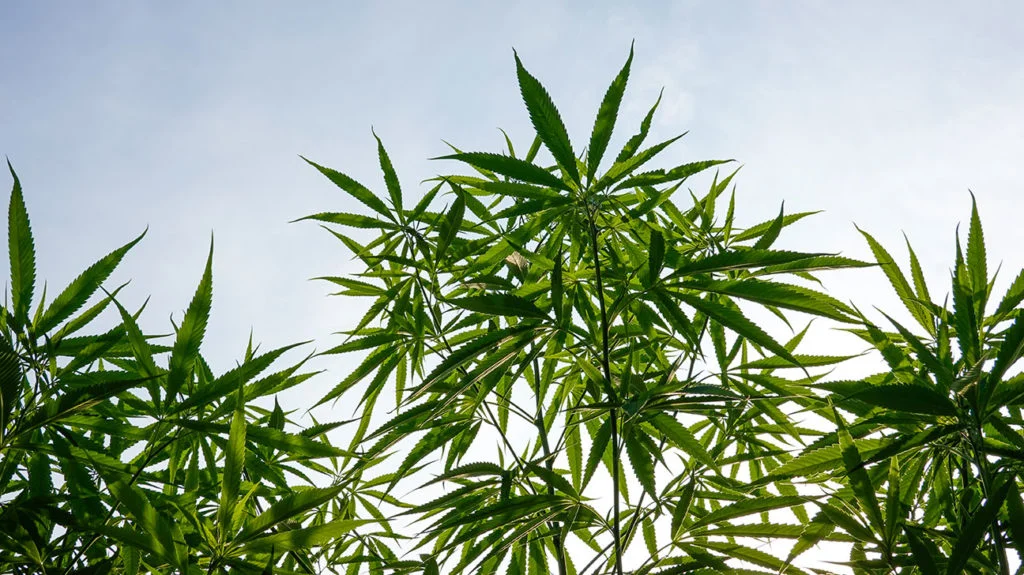
Harvesting is the process of cutting down your cannabis plants once they have reached full maturity. The timing of this step is critical, as harvesting too early or too late can affect the potency and quality of your buds.
1. Identifying the Right Time to Harvest
The ideal time to harvest cannabis is when the trichomes (the tiny, crystal-like structures on the buds) have reached their optimal maturity. Trichomes are a key indicator of a plant’s potency, and their color changes as they mature:
- Clear Trichomes: If the trichomes are clear, it means the plant is not yet ready for harvest. At this stage, the cannabinoids are not fully developed, resulting in a less potent product.
- Milky/Cloudy Trichomes: This is the optimal time for harvesting. The trichomes are filled with cannabinoids like THC, which are at their peak potency.
- Amber Trichomes: As trichomes turn amber, the THC begins to degrade into CBN (cannabinol), which provides a more sedative effect. Harvesting at this stage can result in a more relaxing product.
In addition to trichome color, other signs that your cannabis plants are ready for harvest include the pistils (the hair-like structures on the buds) turning brown or red and curling inwards.
2. Tools Needed for Harvesting
To properly harvest your cannabis, you’ll need the following tools:
- Pruning Shears: Sharp pruning shears are essential for cutting down your plants cleanly and efficiently.
- Latex or Nitrile Gloves: These protect your hands from the sticky resin on the buds and help maintain cleanliness.
- Drying Rack or Lines: After cutting down your plants, you’ll need a place to hang them for drying.
3. Harvesting Techniques
There are two primary methods for harvesting cannabis:
- Whole Plant Harvesting: In this method, the entire plant is cut down at the base and hung upside down to dry. This technique is often used by growers who prefer a slower drying process, which can enhance the flavor and aroma of the buds.
- Branch-by-Branch Harvesting: This method involves cutting individual branches from the plant and hanging them to dry. This approach allows for more control over the drying process and can be useful if some parts of the plant are more mature than others.
Regardless of the method you choose, it’s important to handle the buds gently to avoid damaging the trichomes.
The Drying Process
After harvesting, the drying process begins. Proper drying is essential for reducing the moisture content in the buds, which helps prevent mold growth and prepares the buds for curing.
1. Setting Up the Drying Environment
The drying environment should be cool, dark, and well-ventilated. The ideal conditions for drying cannabis are:
- Temperature: 60-70°F (15-21°C)
- Humidity: 45-55%
It’s important to maintain these conditions to ensure a slow and even drying process. Rapid drying can cause the buds to lose their flavor and aroma, while slow drying in a high-humidity environment can lead to mold.
2. Hanging the Buds
Once the plants or branches are cut, they should be hung upside down in the drying area. Ensure there is enough space between the buds to allow for proper airflow. Depending on the size of the buds and the drying conditions, the drying process typically takes 5-10 days.
3. Monitoring the Drying Process
The drying process is complete when the small stems snap easily rather than bend, and the buds feel dry to the touch. However, the buds should not be too dry, as this can make them brittle and less enjoyable to smoke.
Also Read: How Cannabis Can Accelerate Your Post-Surgery Recovery
The Curing Process
Curing is the final step in the post-harvest process, and it involves storing the dried buds in a controlled environment to enhance their flavor, aroma, and potency. Proper curing can take several weeks but is well worth the time investment.
1. Preparing for Curing
To begin the curing process, you’ll need the following:
- Glass Mason Jars or Airtight Containers: These are ideal for curing because they allow you to control the environment and monitor the buds.
- Hygrometers: Small digital hygrometers can be placed in the jars to monitor humidity levels.
2. Placing the Buds in Jars
Once the buds are dry, carefully trim away any remaining leaves and place the buds loosely in the jars. Do not pack the jars too tightly, as the buds need some airflow to cure properly.
3. Monitoring Humidity Levels
The ideal humidity level inside the curing jars is between 60-65%. If the humidity is higher, the buds can become moldy; if it’s lower, they can dry out too much. If the humidity is too high, you can leave the jars open for a few hours to let some moisture escape. If it’s too low, you can add a humidity pack designed for cannabis curing.
4. Burping the Jars
For the first week of curing, it’s important to “burp” the jars once or twice a day. This involves opening the jars for a few minutes to let fresh air in and excess moisture out. Burping helps to prevent mold and ensures even curing.
5. Curing Duration
The curing process typically takes 2-4 weeks, but some growers prefer to cure their buds for up to 8 weeks for a more refined product. The longer you cure, the better the flavor, aroma, and smoothness of the smoke.
Final Thoughts on Curing and Harvesting Cannabis
Harvesting and curing cannabis are critical steps that can make or break the quality of your final product. By harvesting at the right time, drying your buds slowly and evenly, and curing them properly, you can maximize the potency, flavor, and overall experience of your cannabis.
While these processes require patience and attention to detail, the results are well worth the effort. Properly cured cannabis not only provides a better smoking experience but also has a longer shelf life, allowing you to enjoy your harvest for months to come.
Whether you’re a seasoned grower or new to cannabis cultivation, mastering the art of harvesting and curing will ensure that you produce the best possible product every time. Happy growing!